
The 4th Huairou Forum
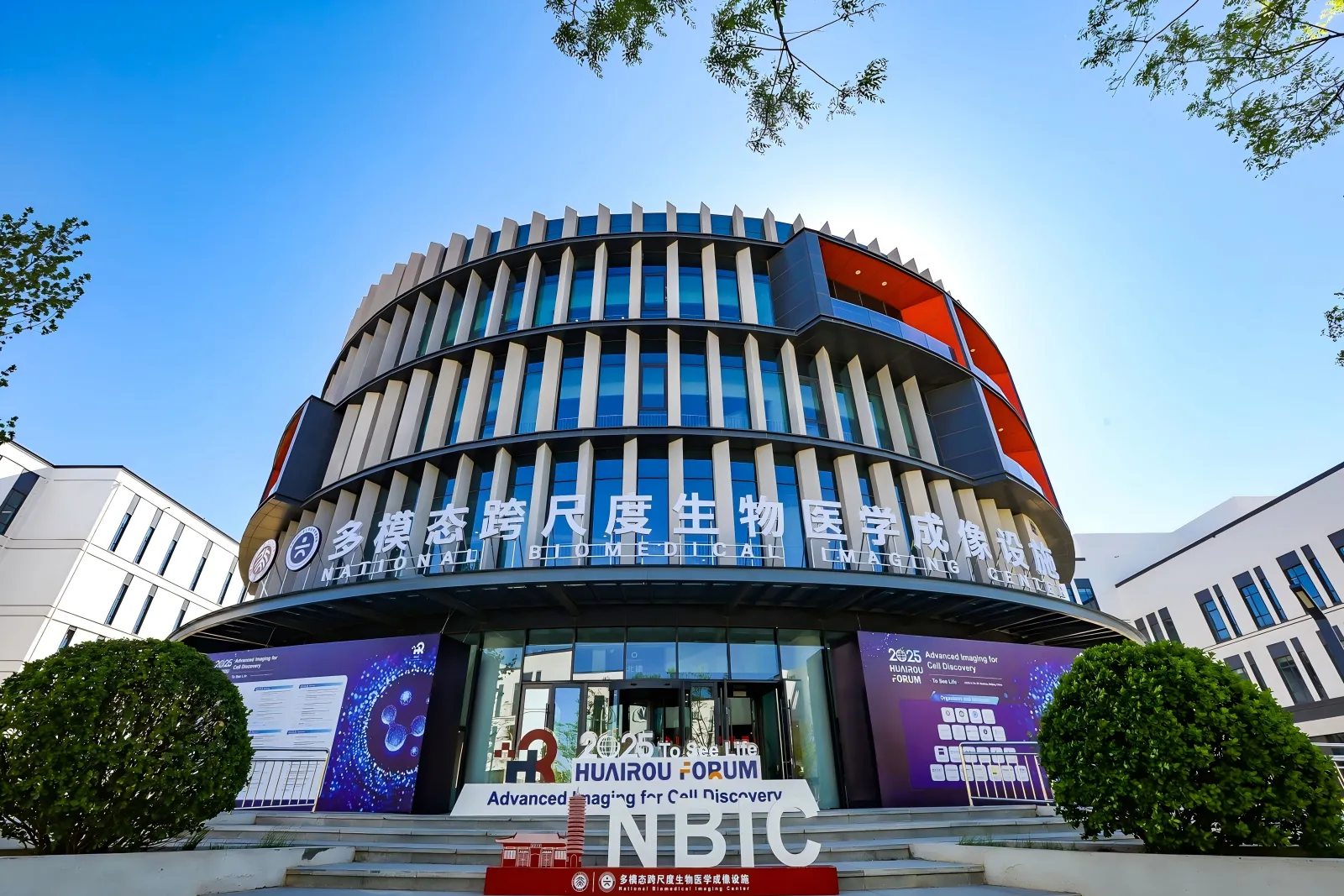
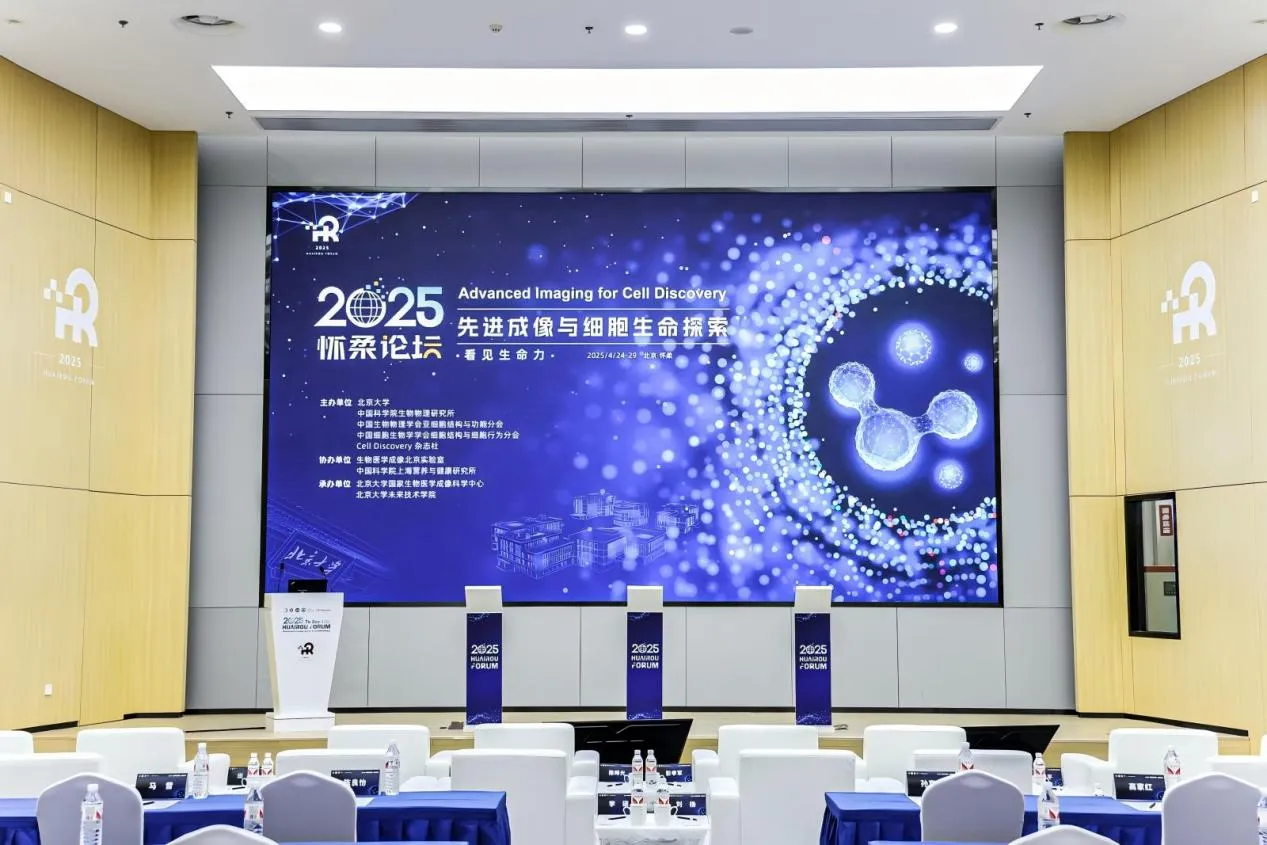
On the afternoon of April 24, 2025, the opening ceremony of the 4th "Huairou Forum" and the 2nd AICD was held at the "Multimodal Trans-Scale Biomedical Imaging Facility" in Huairou, Beijing. Since its inception in 2021, the Huairou Forum has remained committed to advancing frontier science and technology in biomedical imaging and promoting China's independent innovation in high-end biomedical imaging equipment, dedicated to building an international, high-level academic exchange platform. Themed "Advanced Imaging for Cell Discovery," this year's forum aims to bring together outstanding young talents from around the world to tackle life science challenges through interdisciplinary and cross-border in-depth dialogue, accelerate the translation of scientific and technological achievements, and chart the course for the future of biomedical imaging science. The forum is jointly hosted by Peking University, the Institute of Biophysics of the Chinese Academy of Sciences, the Subcellular Structure and Function Branch of the Biophysical Society of China, the Cell Structure and Cell Behavior Branch of the Chinese Society for Cell Biology, and the editorial office of Cell Discovery. It is co-organized by the Beijing Laboratory for Biomedical Imaging and the Shanghai Institute of Nutrition and Health of the Chinese Academy of Sciences, and undertaken by the National Biomedical Imaging Science Center of Peking University and the College of Future Technology.
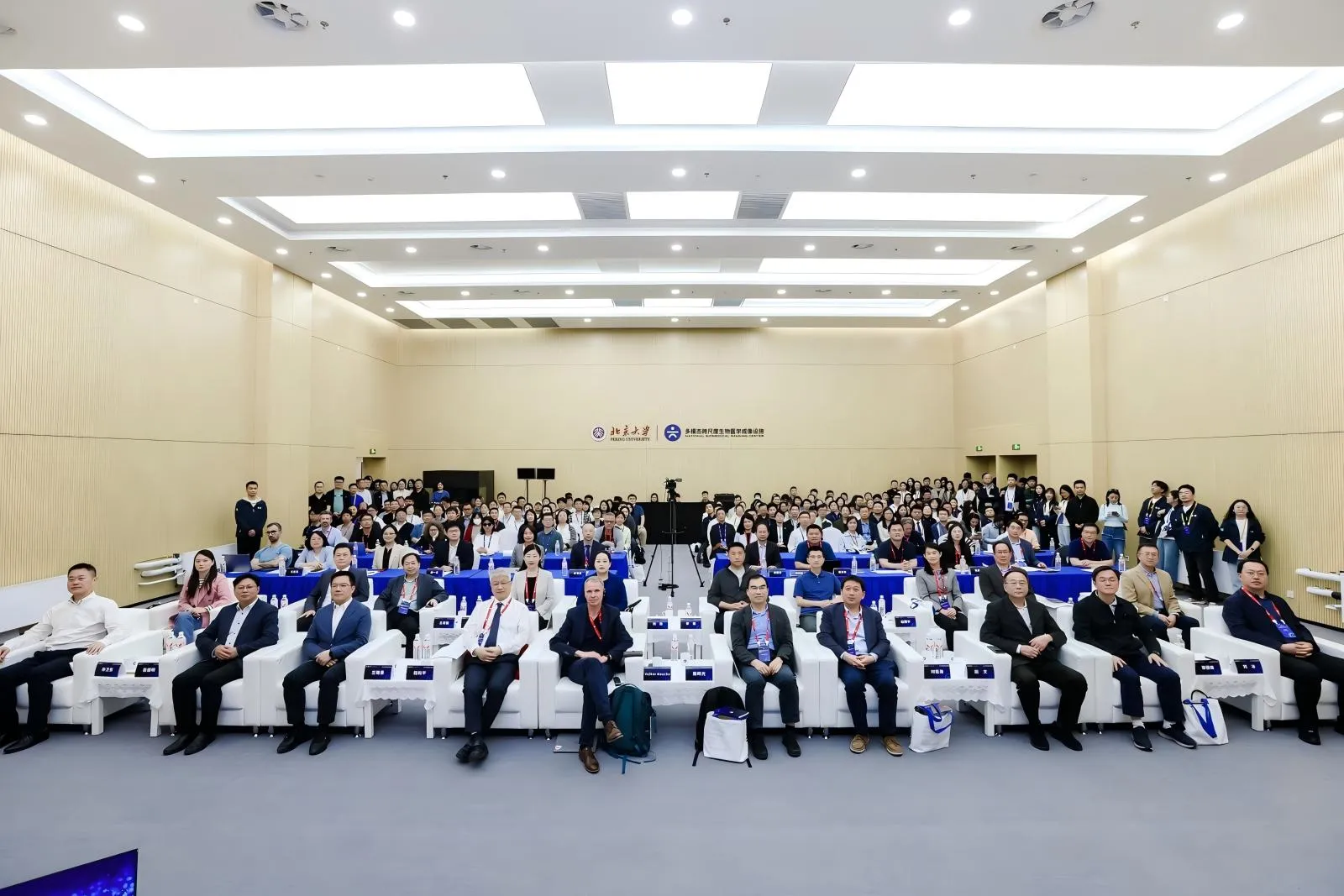
Academician Cheng Heping, Director of the National Biomedical Imaging Science Center of Peking University and Chief Scientist of the Imaging Facility; Researcher Liu Zhenfeng, Deputy Director of the Institute of Biophysics of the Chinese Academy of Sciences; Zhang Deming, Second-Level Inspector of the Beijing Municipal Development and Reform Commission; and Lan Xiongjing, Deputy Director of the Huairou Science City Management Committee and Deputy Mayor of Huairou District, attended the meeting and delivered remarks. Also present at the opening ceremony were Academician Chen Yeguang, President of Nanchang University and Professor at Tsinghua University; Academician Shi Songhai of Tsinghua University; Academician Volker Haucke of the Leibniz-Forschungsinstitut für Molekulare Pharmakologie and Freie Universität Berlin; Tian Wen, First-Level Inspector of the Beijing Association for Science and Technology; Sun Weidong, Party Committee Member of the Nanjing Jiangbei New Area Life and Health Industry Development Management Office; Liu Bing, Deputy Director and Editorial Reviewer of the Chinese Medical Association Publishing House; Researcher Li Shuo, Director of the Interdisciplinary Integration Science Division of the Department of Life Sciences of the National Natural Science Foundation of China; Yang Wenhui, Deputy Director of the Basic Research and Social Development Division of the Department of Science, Technology and Informatization of the Ministry of Education; and Liu Yang, Deputy Director of the Office of the Beijing Natural Science Foundation Committee, among more than 220 leaders and experts from government departments, academia, the scientific community, and industry, as well as delegates to the 2025 National Biomedical Imaging Science and Technology Innovation Alliance (Preparatory) Conference. Liu Jinwei, Deputy Secretary of the Party Committee of the College of Future Technology at Peking University, moderated the opening ceremony.
Cheng Heping stated that the Imaging Facility passed national acceptance and entered full operation in March 2025, and that the Phase II project — the Innovation Platform for Molecular Imaging and Medical Diagnostic and Therapeutic Probes — will also begin trial operation in June. The Imaging Facility, which took 12 years to complete, provides a core platform for tackling major diseases. In the future, it will vigorously promote the imaging-omics-driven Big Science Program for Digital Life, dedicated to systematically deciphering the code of life and advancing the development of precision medicine.
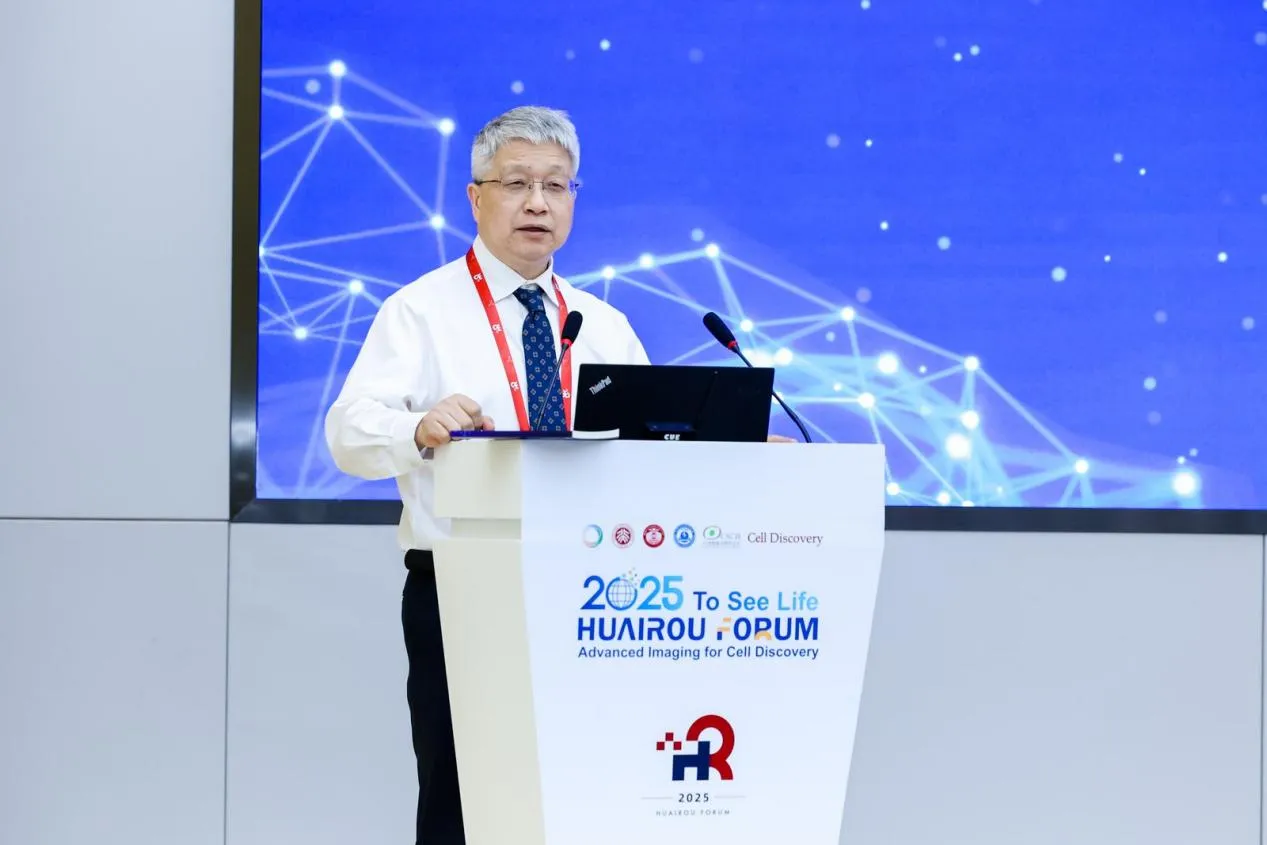
Liu Zhenfeng noted that in the face of global challenges such as population aging, life sciences need to accelerate innovative breakthroughs through deep interdisciplinary integration, and that the Imaging Facility serves as a vital link connecting basic research with clinical application. He expressed the hope that, relying on the Imaging Facility, cooperation with domestic and international institutions and scholars will be deepened to promote academic exchange and the advancement of human health.
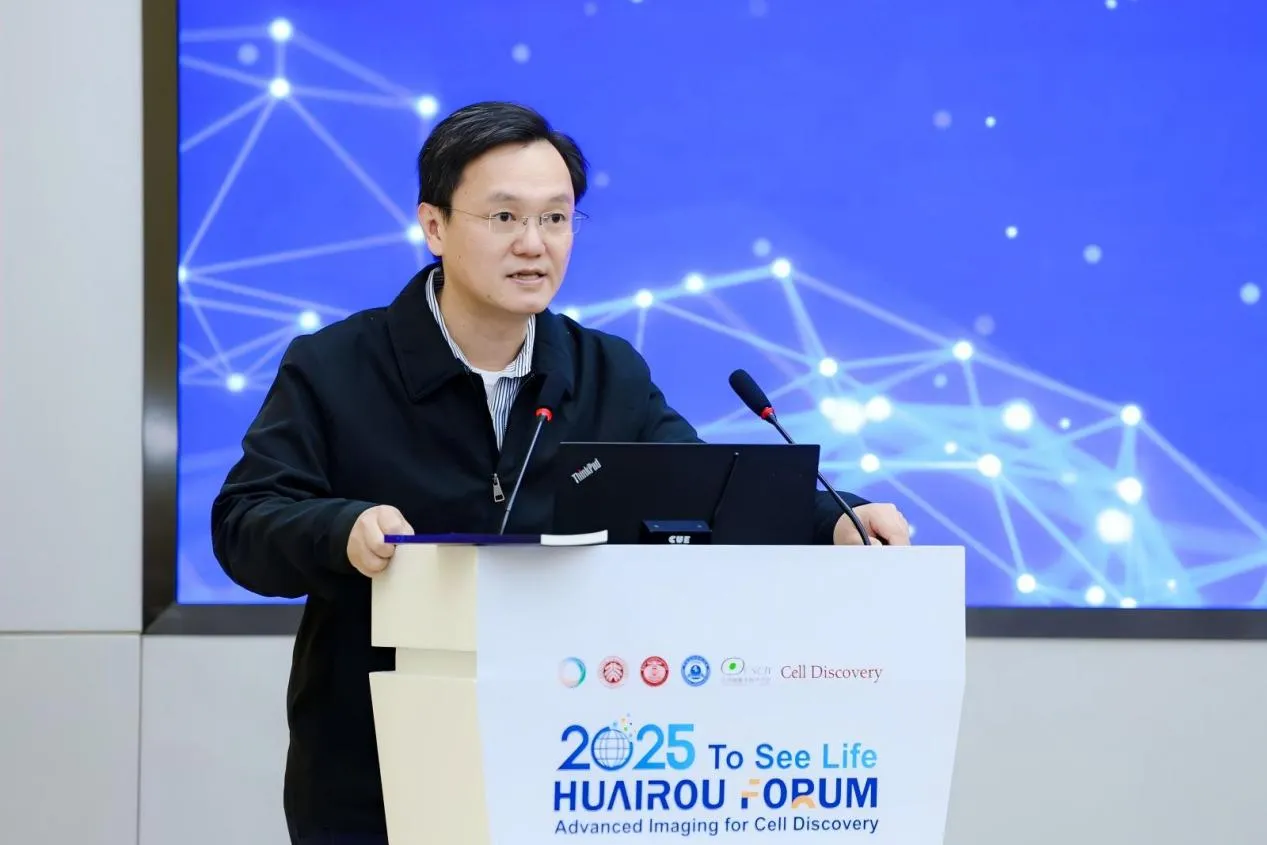
Zhang Deming congratulated the Imaging Facility on passing national acceptance and becoming one of the four major scientific facilities at the Huairou Comprehensive National Science Center to enter the operational phase. He stated that the Beijing Municipal Development and Reform Commission will continue to support the development of the Imaging Facility and the Huairou Forum, further leverage the full-element innovation resource effectiveness of the Huairou Comprehensive National Science Center, and strive to build it into a global source of biomedical innovation.
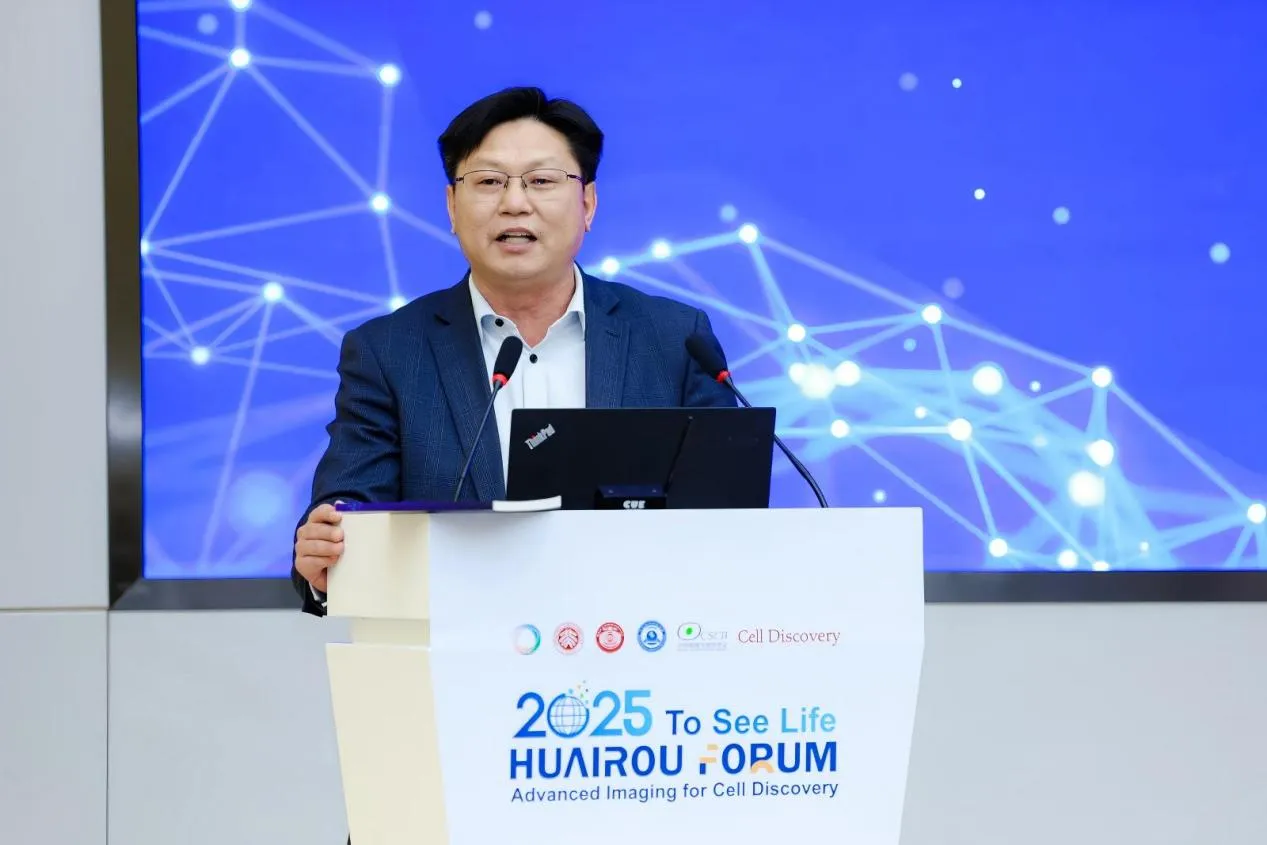
Lan Xiongjing stated that Huairou District is actively pursuing the development of the life sciences industry, having planned and built more than 10 scientific facilities and established an industrial system led by biomedical imaging, with stem cells and regenerative medicine, brain science and brain-inspired intelligence, and tumor diagnosis and treatment as key cultivation directions, while providing full-chain support for industrial development through multiple measures.
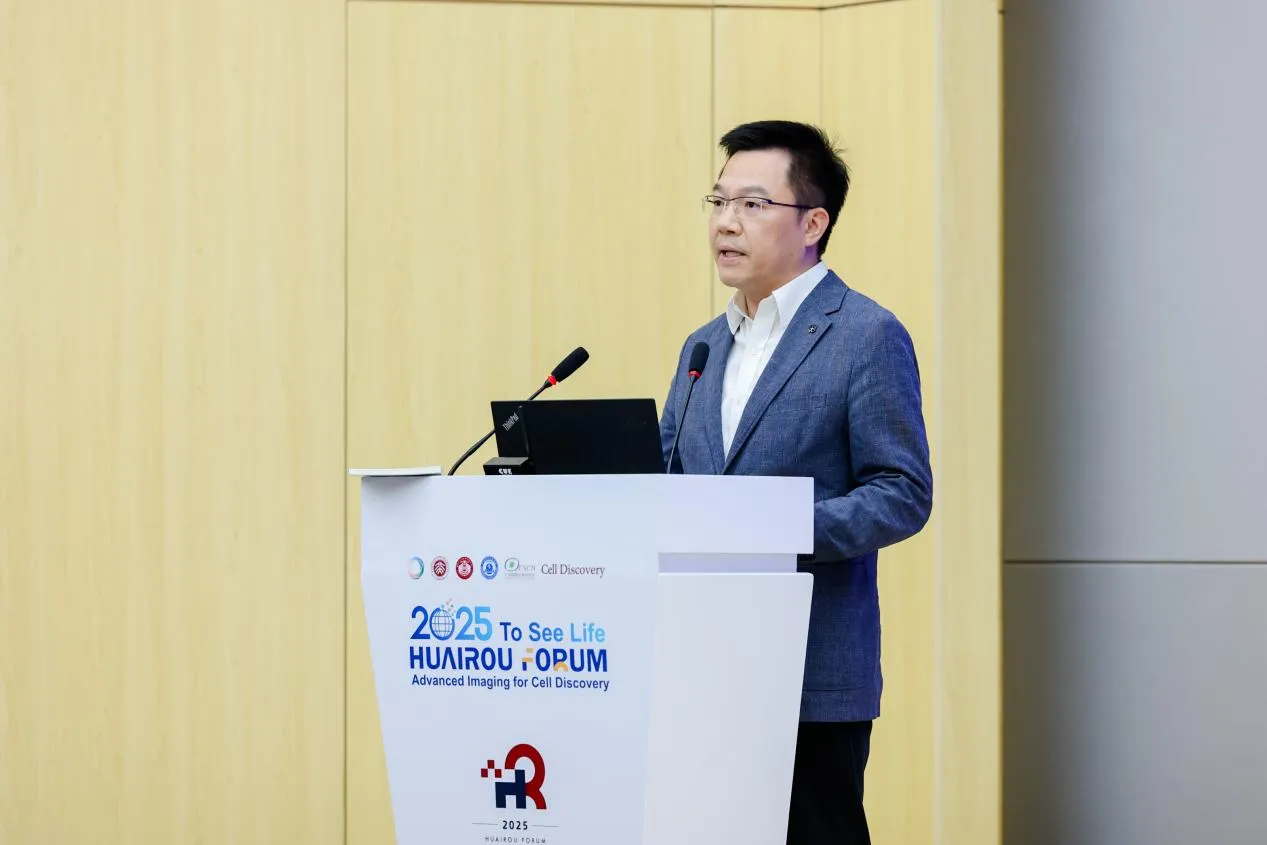
As a major national science and technology infrastructure project under the 13th Five-Year Plan, the Imaging Facility is a "science and technology aircraft carrier" carrying China's life and health research. At the opening ceremony, early research achievements made during the construction of the Imaging Facility were released in video form. The 10 innovative achievements embody the dedication and wisdom of the research teams, covering technical fields such as whole-body PET-CT, miniaturized two-photon microscopy, and cryo-electron microscopy. These achievements not only demonstrate China's breakthrough progress in the field of biomedical imaging technology, but also lay a solid foundation for future research collaboration.
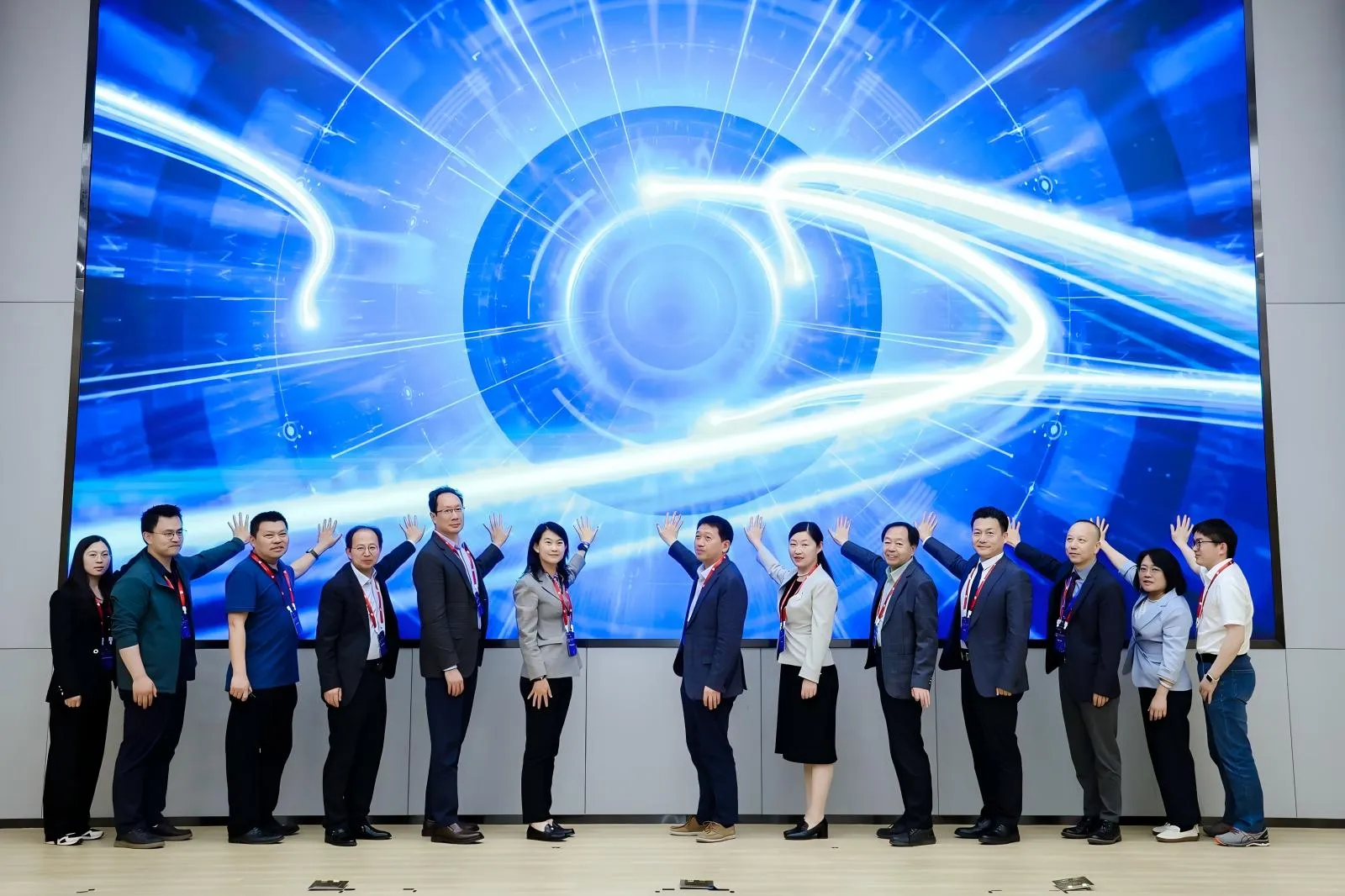
The launch ceremony of the Big Science Program for Digital Life was held at the opening ceremony. Professor Chen Liangyi, Deputy Director of the National Biomedical Imaging Science Center of Peking University, introduced the Big Science Program for Digital Life and the first batch of major projects, and invited Academician Shi Songhai, Professor Yang Li, Vice President of Peking University First Hospital, Professor Zhao Xiangyu, Vice President of Peking University People's Hospital, and 13 other heads of major projects onto the stage to jointly launch the major digital life projects and witness the commencement of the Big Science Program for Digital Life. The launch of this batch of projects marks an important step forward in the deep integration of biomedical imaging and digital life sciences in China.
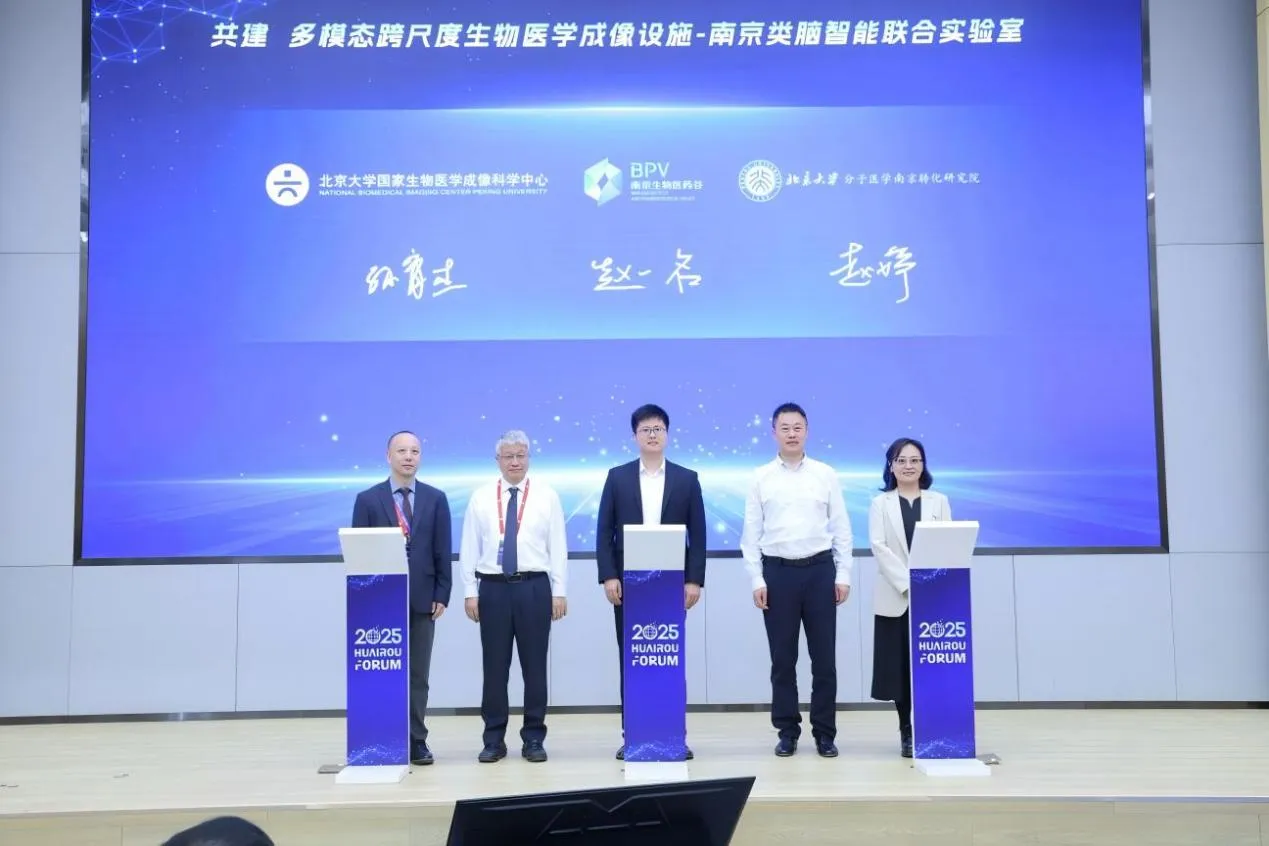
At the opening ceremony, a signing ceremony was held for the "Multimodal Trans-Scale Biomedical Imaging Facility – Nanjing Brain-Inspired Intelligence Joint Laboratory." Professor Sun Yujie, Vice Dean of the College of Future Technology at Peking University and Deputy Director of the National Biomedical Imaging Science Center; Zhao Yiming of the Nanjing Jiangbei New Area Life and Health Industry Development Management Office; and Zhao Ting, Vice President of the Peking University Molecular Medicine Nanjing Translational Research Institute, signed on behalf of the three parties, with Cheng Heping and Sun Weidong jointly witnessing the signing. The establishment of the Joint Laboratory will focus on interdisciplinary research at the intersection of biomedical imaging and brain-inspired intelligence, promoting in-depth cross-disciplinary and cross-institutional collaboration.
In recent years, imaging technology has revolutionized the research paradigm of life sciences, advancing from a single modality to a stage of multimodal, cross-scale innovation, bringing new hope for human health. With breakthroughs in frontier technologies such as AI large models, biomedical imaging technology will reshape the research paradigm of life sciences and bring disruptive changes to clinical medicine. Focusing on its theme, this forum will invite renowned experts and scholars from China and abroad to deliver keynote reports and share the latest research findings and frontier perspectives; it will also hold roundtable discussions, seminars on advanced biomedical imaging technology, and other activities, providing participants with a platform for in-depth exchange and collaborative discussion.